
Leave a Legacy for Animals
A gift in your will, trust or other estate plans is a meaningful way to help animals and the people who love them for generations to come. By including East Bay SPCA in your plans, you help ensure our lifesaving programs and services can continue well into the future.
Join Our Legacy Society
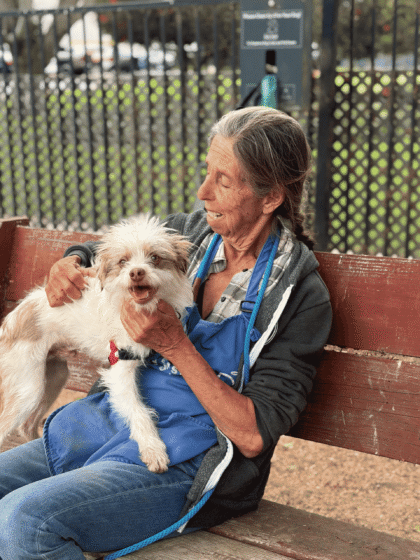
If you have included East Bay SPCA in your will, trust or other estate plans, we invite you to become a member of our Legacy Society — a community of compassionate supporters committed to creating a more humane future for animals.
In appreciation of your commitment, Legacy Society members receive special benefits, including:
- Special updates and communications from East Bay SPCA
- An invitation to our annual Legacy Society luncheon
- A personal behind-the-scenes tour of East Bay SPCA facilities
- The ability to place a 24-hour hold on an adoptable animal
- A one-time opportunity to name a puppy or kitten
- Recognition in our annual report
- Eligibility to enroll pets in our Pet Survivor Placement program
Information for Your Estate Plans
Ready to plan your legacy? East Bay SPCA partners with FreeWill to provide a simple, free online tool for creating a legal will. You can use FreeWill to document your wishes and, if you choose, include East Bay SPCA as a charitable beneficiary.
Legal Address: 8323 Baldwin St., Oakland, CA 94621
Federal Tax ID: 94-1322202
Organization Status: 501(c)(3) nonprofit
For additional guidance on estate planning, watch our free seminar featuring estate planning attorney Daniela Lungu.
Questions about making East Bay SPCA part of your legacy? Contact giving@eastbayspca.org or (510) 563-4604.
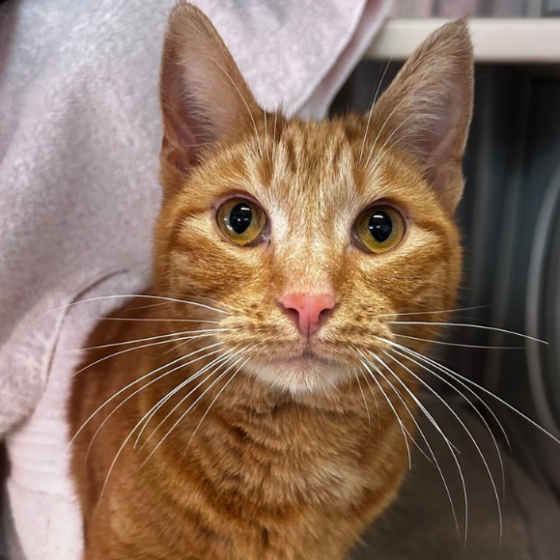
Pet Survivor Placement Program
Our Pet Survivor Placement Program offers Legacy Society members peace of mind knowing their beloved pets will be cared for should they outlive them. East Bay SPCA will provide enrolled pets with compassionate shelter and veterinary care while working to find them a loving new home — extending your legacy of compassion to the animals who mean the most to you.
Gifts made through a will or living trust. Donors can designate a specific amount, percentage, or residue of their estate.
Donors recommend grants to nonprofits from their DAF. They can also designate any remaining assets in the DAF to go to the nonprofit.
Donating appreciated securities, such as stocks, bonds, or mutual funds, to avoid capital gains taxes while benefiting the nonprofit.