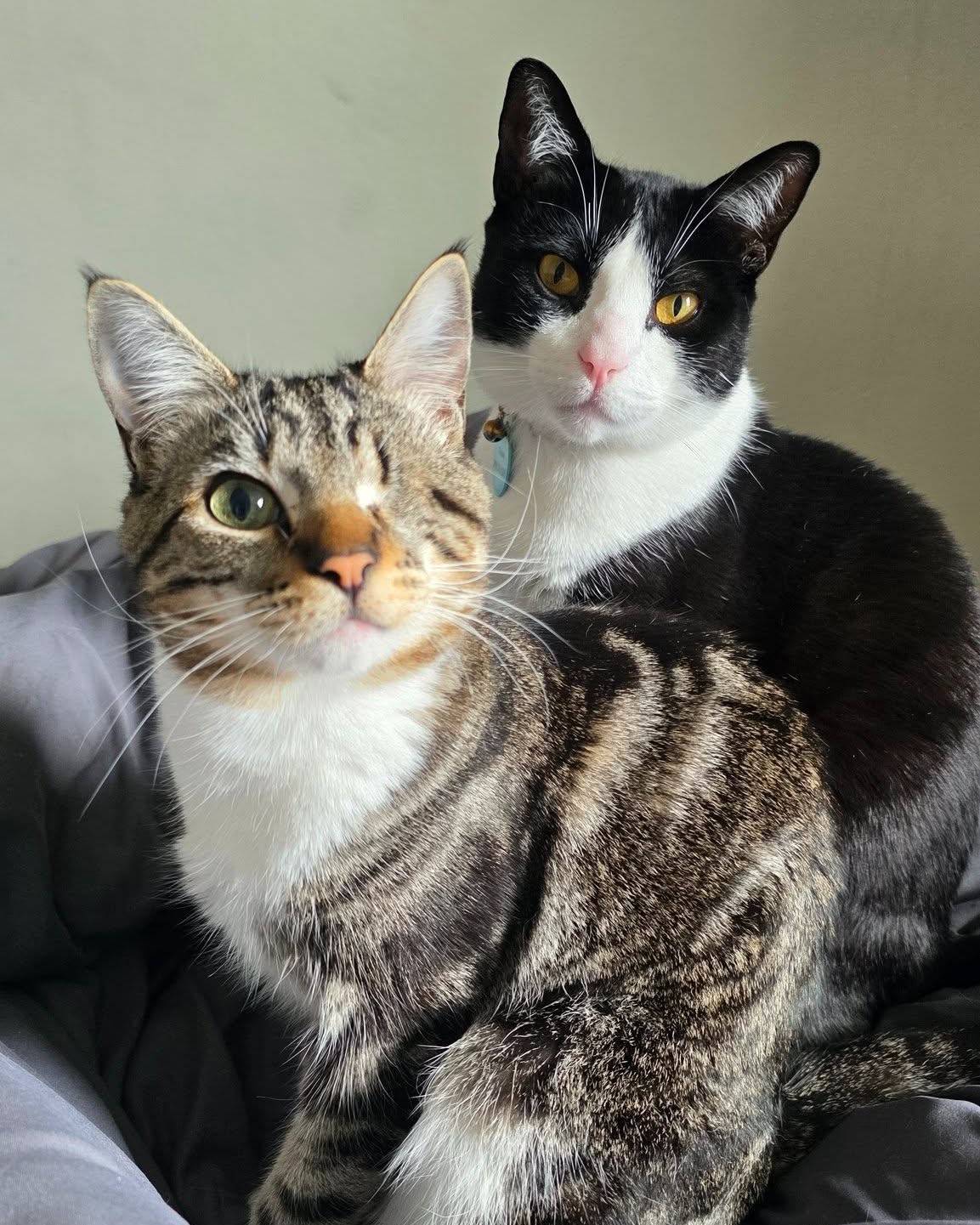
Holiday Pet Safety Tips for a Stress-Free Season

The holiday season is full of joy, from gatherings with family and friends to festive meals and trips to see loved ones. For our pets, though, the season can also bring a lot of change: new faces at the door, unfamiliar smells in the kitchen, and shifts in their everyday routines.
The good news is that a little planning goes a long way. Here are some tips to help keep your holidays happy and stress-free for every member of the family, two-legged and four-legged alike.
Hosting Guests
Create a sanctuary space. Even confident, social pets occasionally need a break from holiday gatherings, and that goes double for pets who are wary of strangers or changes in routine. If your pet is uncomfortable, give them the gift of not putting them in a situation they aren’t ready for. A gate, a quiet room with comfort items or another space away from the action can make all the difference.
Coach your guests. You know your pet best. Whether you’re keeping up with a training goal (like not jumping) or helping your pet feel safe, make sure your guests know how to interact appropriately. A sign on the door (“Please keep door closed”), a treat bucket or simple verbal instructions are all great ways to help everyone stay safe and comfortable.
Have a plan ahead of time. Think about what your pet needs to be successful. Making your pet’s needs part of your party prep is so much easier than trying to troubleshoot in the moment with guests in the house. Need tips or ideas? Sign up for our free behavior helpline at eastbayspca.org/behaviorhelp.
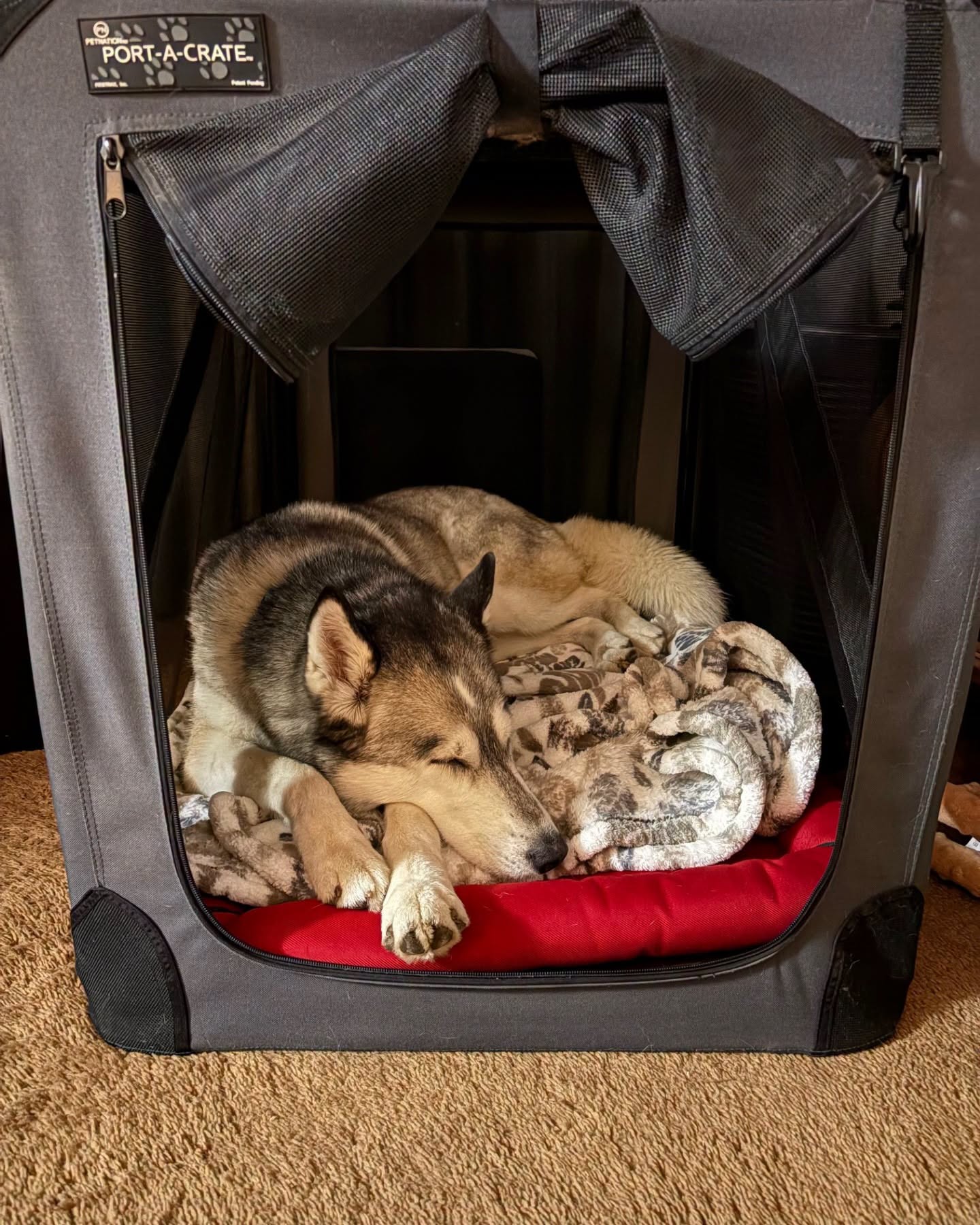
Traveling? Prepare Your Pet Sitter or Walker
Put it in writing. Make sure anyone caring for your pet has all the information they need, ideally in writing. You’re the expert on your pet, and you know what your caretaker should be ready for. A responsible caretaker will want to know (and meet!) your pet’s needs.
Schedule a meet and greet. If possible, set up a meet and greet ahead of time. You want to see how a caretaker relates to your pet, and how your pet relates to them! Not every pet meshes well with every person, and that’s OK. If you have any hesitations, trust your instincts.
Looking for a sitter or walker? Check out the last page of our Local Referral List.
Holiday Food Safety
Holiday meals are a big part of the season, and our pets would love nothing more than a seat at the table. Many human foods are unsafe for pets, though, so it’s worth knowing what’s safe to share and what to keep out of reach.
Thanksgiving: What’s OK and What to Skip
Shareable in small, plain portions. If you’d like to share a taste with your dog, stick to simple foods without butter, salt or seasoning:
- Plain turkey (white meat with no skin or bones)
- 100% pure pumpkin (not pumpkin pie or pie filling)
- Plain cooked or raw green beans or carrots
- Plain cooked sweet potatoes
- Fresh or plain cooked cranberries, cut into small pieces
Skip these. Some Thanksgiving favorites can make pets seriously sick:
- Turkey skin, fat, gravy and dressing: Rich, fatty foods are hard for pets to digest, and sometimes even a small amount can cause pancreatitis.
- Turkey bones: Cooked poultry bones can cause choking, damage the digestive tract or lead to an intestinal blockage.
- Stuffing and mashed potatoes: These often contain onions or garlic, which are toxic to pets. Keep an extra careful eye out for raisins or grapes, which are deadly for dogs and cats.
- Pumpkin pie: The spices and sugar can upset your pet’s stomach, even though plain pumpkin is a healthy snack.
- Raw bread or roll dough: Uncooked yeast dough can cause painful gas and dangerous bloating.
Want to learn more? Check out Thanksgiving food guides from PetMD and the American Veterinary Medical Association (AVMA).
Christmas and Winter Holidays: Keep the Sweets Out of Reach
Chocolate. Chocolate is toxic to dogs and cats, and the darker it is, the more dangerous it is. Because the risk depends on the type of chocolate, the size of your pet and how much they eat, it’s best to treat all chocolate as off-limits. Keep chocolate gifts, stockings and candy dishes out of reach, including under the tree.
Sugar-free treats. Xylitol, a sugar substitute found in sugar-free candy, gum, baked goods and even some peanut butters, can cause liver failure and can be deadly for dogs. Check labels before sharing any treat, including peanut butter.
Holiday cookies and baked goods. Many festive treats contain chocolate, raisins or macadamia nuts, which are all very dangerous for pets. Even cookies without those ingredients are usually too rich for a pet’s stomach.
The holiday roasts. Just like Thanksgiving, fatty table scraps, skin, sauces and bones from a holiday ham or roast can cause pancreatitis, choking or blockages.
Holiday drinks. Keep eggnog, cocktails and other alcoholic drinks away from pets. Alcohol can poison pets, with signs like vomiting and loss of coordination. Ask guests to keep their glasses off low tables.
For more winter holiday tips, visit the AVMA’s holiday pet safety page.
Tips for Every Holiday Meal
Clean up right away. Clear food from tables, counters and serving areas as soon as you’re done. Toss turkey carcasses, bones and meat packaging (including string and wrappers) in a tightly secured bag inside a closed container, and take the trash out before you leave the house.
Remind your guests. Your guests may not know which foods are unsafe for pets. A friendly reminder not to share from their plates goes a long way.
Consider stress, avoid a mess. Some uncommon foods might usually be OK, but new foods plus stress often add up to an upset tummy. When in doubt, opt out, and keep your pet’s diet predictable during stressful or overexciting times.
Know who to call. If your pet eats something toxic, call an animal poison control line like the ASPCA Animal Poison Control Center or the Pet Poison Helpline. These 24/7 services are often faster and more affordable than an emergency visit alone, and they can work directly with your veterinarian if needed.
If Your Pet Eats Something Toxic
Call one of these 24/7 animal poison control lines right away:
Watch for signs like sudden behavior changes, pain, loss of appetite, vomiting or diarrhea, and contact your veterinarian or nearest emergency clinic right away if you notice them.
Tip: Save these numbers in your phone now, before the holiday rush begins!
Here’s to a Happy, Healthy Holiday Season
Every pet is different, and you know yours best. By planning ahead and keeping your pet’s needs in mind, your whole household can enjoy the festivities while your pets stay safe, comfortable and cared for.
Know someone celebrating with a pet this year? Share these tips with them, and from all of us at East Bay SPCA, happy holidays!